
Juliet Zuckerwise
Business Manager
Released in theatres on October 17 and debuted on Netflix on November 7, the new Frankenstein adaptation reimagined Mary Shelley’s classic with surprising emotion and stylish, contemporary horror.
Rather than retelling the story in its traditional Gothic form, the film transformed the familiar narrative into something more intimate, visually ambitious, and emotionally layered.
One of the strongest elements of the adaptation was its portrayal of Victor Frankenstein and his Creature as fully realized, complex characters. Victor, played with raw intensity, came across not solely as a scientist obsessed with ambition but rather as a young man collapsing under the weight of insecurity and grief. Victor’s motivations felt grounded and painfully human, making the consequences of his experiments very tragic. Watching him slowly confront the reality of what he created gave the film an emotional anchor.
However, the Creature was the ultimate heart of the movie. Far from the lumbering monster who was seen in earlier adaptations, this cinematic version was curious, expressive, and aware of his isolation. The actor’s performance blended vulnerability with physical presence, capturing the ache of a being who never asked to exist but desperately sought connection.
Some of the film’s most haunting scenes weren’t frightening but they were the reflective and quiet moments where the Creature attempted to understand a world which feared him on sight. His loneliness, more than anything else, lingered with viewers.
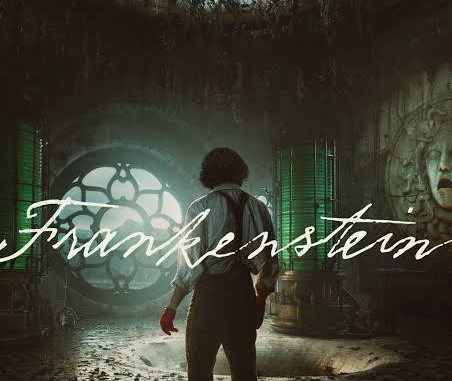
Visually, Frankenstein delivered a memorable and striking performance. The cinematography blended laboratory environments with desolate landscapes which gave the film a modern atmosphere. The color palette subtly darkened as the story progressed with muted grays, icy blues, and harsh shadows that mirrored both Victor’s unraveling as well as the Creature’s growing desperation.
Thematically, the film leaned into the questions that Shelley’s novel endured for more than two centuries. The screenplay was updated in order to have a contemporary audience without losing the original texts’ spirit. Its commentary on abandonment, responsibility, and ethics of creation seemed resonant.
By the time the final scene ended, Frankenstein had proven that classic stories could still feel fresh when approached with empathy and creativity. The film balanced horror with heart, tension with tenderness, and spectacle with introspection. Viewers didn’t just fear the Creature, but rather they understood him.
With bold performances, emotional core, and compelling visuals, Frankenstein stood out as one of the year’s most thoughtful and moving reimaginings.

Leave a Reply